Enzyme Cleaner for Puppy Urine: Why It Stops Remarking
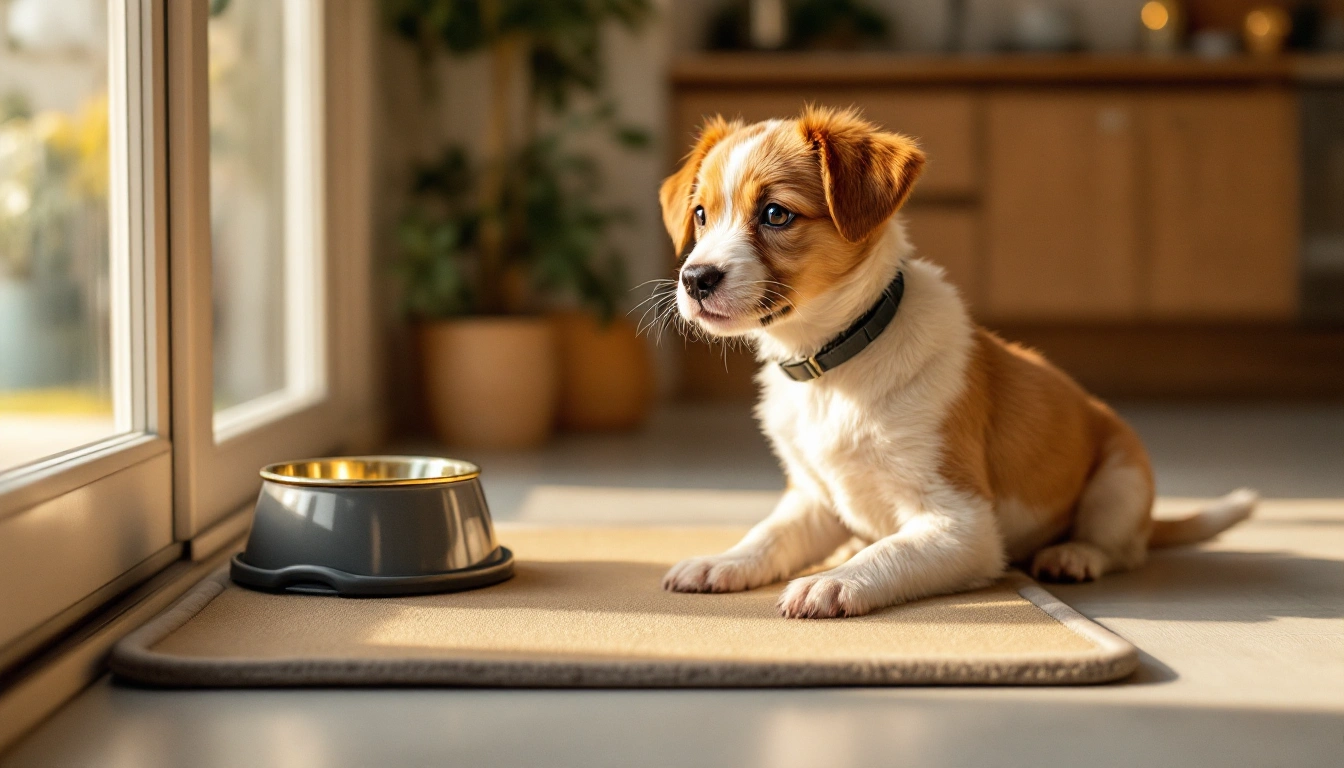
Your puppy keeps going back to the same spot, even after you've wiped it up and it smells clean to you. That's because regular cleaner doesn't touch the uric acid crystals left behind in urine — they stay in the carpet, grout, or floor seam long after the smell is gone to your nose, and your puppy's nose can still find them. An enzyme cleaner uses live bacteria and enzymes to actually break those crystals down instead of just masking the smell, which is the only thing that reliably stops the remarking cycle.
Here's how to use one right. Blot up as much fresh urine as you can first — press down with paper towels or a cloth, don't rub it in. Then soak the spot generously with enzyme cleaner, using roughly as much liquid as your puppy left behind, not a light spray on top. If it soaked into carpet, it needs to reach the same depth the urine did, including the pad underneath, or the crystals down there will keep drawing your puppy back. Let it sit for the dwell time on the label — usually 10 to 15 minutes for a hard surface, longer for carpet — before blotting again and letting it air dry. Skip ammonia-based cleaners entirely: ammonia smells like a component of urine to a dog's nose, and using it on a marked spot can actually make the remarking worse instead of better.
Once you've treated a spot, block your puppy's access to it for a day or two if you can — a baby gate, a chair, or a rug moved over it works. That gives the enzymes time to fully finish breaking things down without your puppy re-testing the spot in the meantime. This is also the fastest way to stop a cycle that feels like it's happening in the same three or four places over and over.
If accidents keep happening in new spots even after you've cleaned thoroughly, the potty tracker in the free Puppy's First 30 Days pack helps you catch the timing pattern that's causing them, so you're fixing the routine and not just chasing spots with a bottle of cleaner.
A few things make this take longer than it should. Using a regular carpet cleaner or steam cleaner before the enzyme cleaner has fully worked can "lock in" the odor with heat, so plan to skip steam on any spot you're actively treating. Baking soda and vinegar can help with fresh smells, but they don't break down the underlying crystals the way enzymes do — they're a supplement to enzyme cleaner, not a replacement. And wiping the spot dry right after applying, before the dwell time is up, is one of the most common reasons a "cleaned" spot gets remarked within a day.
Old accidents from before you started using enzyme cleaner are worth hunting down too, since a spot from weeks ago can still be pulling your puppy back without you realizing it's there. A blacklight flashlight in a dark room will show up old urine stains that look completely invisible in daylight — it's worth doing one pass around the main rooms your puppy has access to, especially rugs, baseboards, and any corner near a doorway.
For carpet and pad, plan on this being a multi-treatment job rather than a one-and-done spray. The first application breaks down what's on the surface; a second application a day or two later often catches what worked its way deeper in. Hardwood and tile are usually faster — the urine can't soak in as far, so one thorough treatment along the seams and grout lines is often enough.
If you're dealing with more than one or two problem spots, it's worth setting yourself up with a cleaner made specifically for pet stains rather than a general all-purpose spray — see the enzyme cleaner that works fastest on carpet and pad — since the concentration and formula matter more here than with everyday messes.
Remarking isn't your puppy being difficult or dirty — it's a nose following a scent trail you can't smell anymore. Treat the spot properly once, block access while it finishes working, and most puppies stop going back to it within a few days.