Introducing a New Puppy to Kids: Day-One Rules
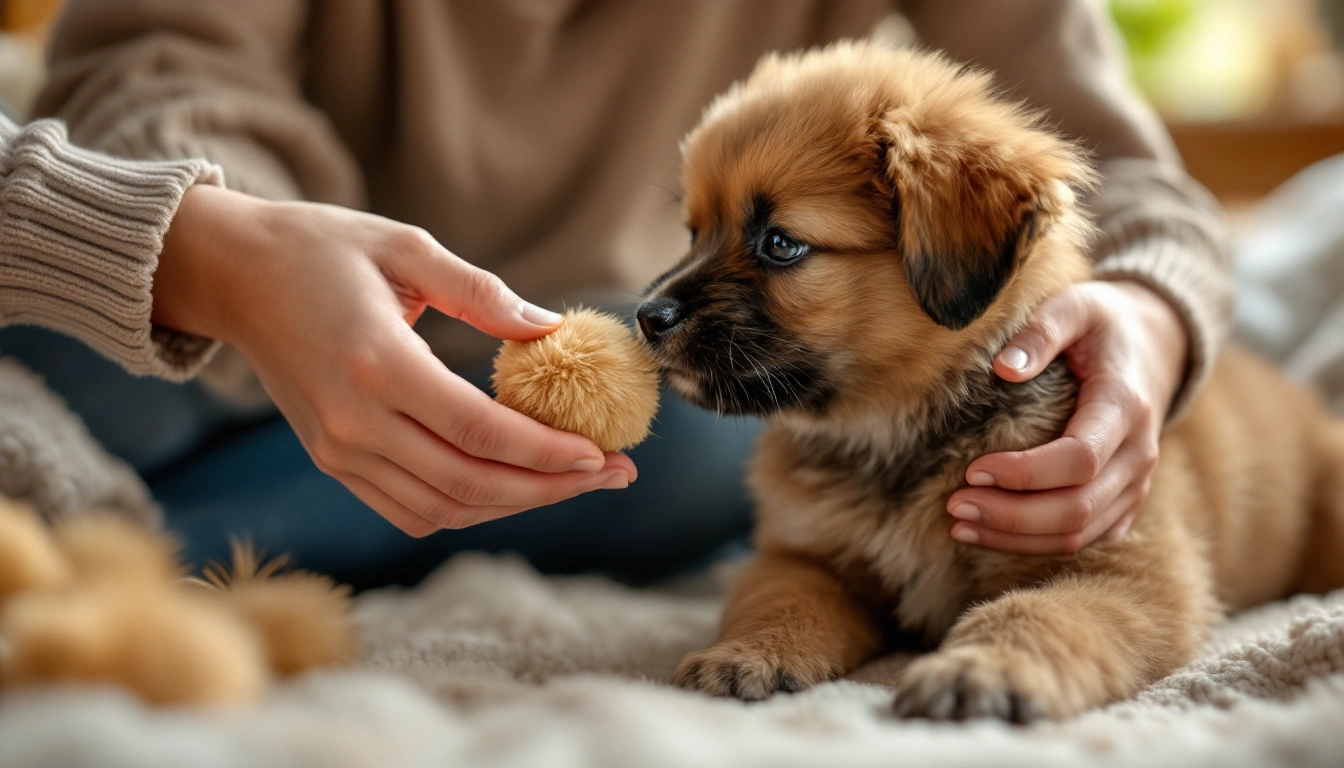
Your kids have been counting down for weeks and now the puppy is finally here, bouncing with excitement in the driveway. Slow the moment down before it starts. Introducing a puppy to kids goes best one child at a time, in a quiet spot, with everyone sitting or kneeling low and hands still. The single most important thing: let the puppy choose to approach the kids, not the other way around. A puppy that gets swarmed by excited kids in the first five minutes often spends the rest of the day hiding instead of bonding.
Here's how to run it. Bring the puppy into a calm room, not the driveway or a crowd of relatives. Have each kid sit on the floor with their hands in their lap, and let the puppy sniff and approach on its own time — no grabbing, no picking the puppy up, no chasing if it walks away. Coach kids to pet gently along the back and sides rather than patting the head or reaching over the top, which can startle a puppy that doesn't know them yet. Keep the first meeting short, 5 to 10 minutes, and end it before anyone gets overtired or overexcited, puppy included. Have a few small treats ready so kids can offer one from a flat, open palm — it gives the puppy a reason to associate the kids with good things right away.
What's normal: a puppy that hides behind your legs, mouths gently during play, or gets a sudden burst of zoomies mid-introduction. All of that is a brand-new environment and brand-new people, not a bad sign. What's worth pausing for: a puppy that freezes stiff, growls, or snaps instead of just avoiding contact — stop the interaction, give the puppy space, and go slower next time. If that pattern continues past the first day or two, a certified trainer can help you read what's actually going on before it becomes a habit.
This exact kind of first-meeting plan, plus the rest of the socialization steps for the weeks ahead, is laid out in the free Puppy's First 30 Days pack.
A few things turn an easy introduction into a rough one. Letting the whole family, including visiting cousins and neighbors, meet the puppy in one big group overwhelms a puppy that's already had the biggest day of its life. Encouraging kids to hug the puppy around the neck, even gently, reads as trapping to a dog that doesn't have the vocabulary yet to say it's uncomfortable. And leaving young kids alone with a brand-new puppy, even for a minute, skips the supervision this stage actually needs — accidents and startled nips both happen fastest when no adult is watching.
Over the first week, expect the relationship to build fast if you keep sessions short and calm. Most puppies go from cautious sniffing on day one to actively seeking kids out for play by day three or four, especially if the kids have been consistently gentle. Teach an "all done" cue kids can use to signal the puppy needs a break, and teach kids to recognize a puppy that's walking away, yawning, or licking its lips as a sign to back off rather than follow. That two-way respect is what makes the bond hold up once the puppy is bigger and bolder.
A structured approach to these early meetings, and the socialization steps that follow over the next several weeks, makes a real difference in how a puppy grows up around kids long-term — see the socialization plan that makes this easier walks through exactly how to pace it. It's a small investment next to years of a dog who's genuinely comfortable around children.
Age matters here too. Toddlers and puppies are a tougher combination than school-age kids and puppies, mostly because a toddler's movements are unpredictable — quick grabs, loud sounds, sudden hugs — and a young puppy hasn't learned to read or tolerate any of that yet. If you have a toddler in the house, keep every interaction adult-supervised at arm's length for longer than you would with an older child, and don't assume a calm five-minute meeting means unsupervised time is safe. School-age kids can usually take on more responsibility faster, like leading a short leash walk together or helping with a training cue, once the puppy is comfortable around them.
The first introduction doesn't have to be perfect to work out well. Keep it slow, keep it supervised, and let the puppy set the pace — most kids and puppies are fast friends within days, even when day one felt a little awkward.