Puppy Alone Time by Age: A Realistic Chart
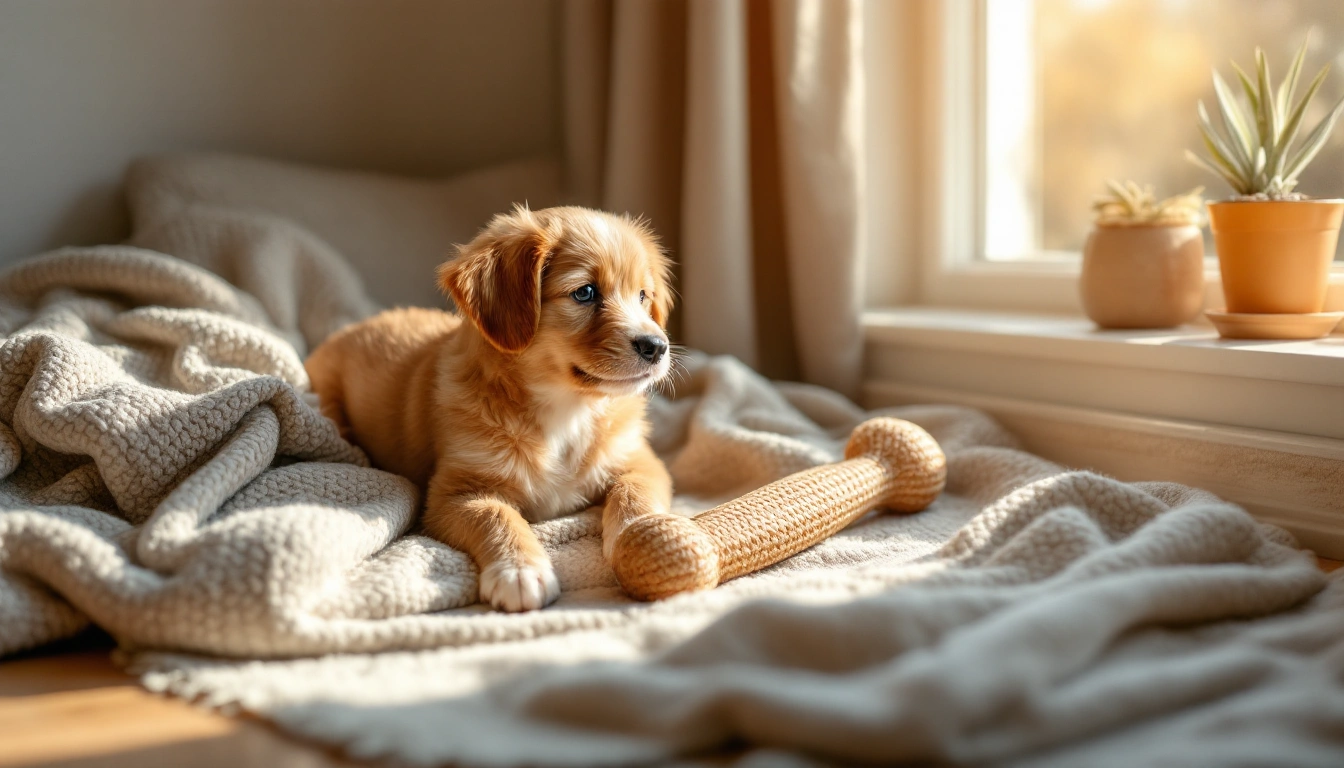
At 8 to 10 weeks old, most puppies can handle roughly 30 to 60 minutes alone at a time. By 10 to 12 weeks, that stretches to around 1 to 2 hours. By 3 to 4 months, many puppies manage 2 to 3 hours, and by 6 months, a lot of puppies can comfortably handle 3 to 4 hours alone. A common rule of thumb is bladder-hold-time-in-hours roughly matches age in months plus one, up to about 4 hours as a general daytime ceiling, even once they're physically capable of holding it longer.
In week one specifically, keep alone stretches short even if your puppy's bladder could technically hold longer than that. This early stage is more about emotional adjustment than physical capacity — your puppy just left their littermates, and being alone in a new house for the first time is a bigger deal than the bladder math suggests. Start with very short stretches, 10 to 20 minutes, in a safe, contained space like a crate or pen, and build up gradually from there over the first couple of weeks rather than jumping straight to an hour or more.
Here's a practical way to build up. Start by leaving the room for a few minutes while your puppy is calm, not mid-cry, so the first experience of "alone" is a short, low-stakes one. Extend gradually — a few minutes longer every day or two rather than doubling the time all at once — and always leave and return without a big emotional goodbye or greeting, since a calm entrance and exit teaches your puppy that alone time isn't a big deal instead of accidentally making it one.
If you want the age-by-age breakdown built into an actual daily routine instead of a general range, the schedule in the free Puppy's First 30 Days pack maps out realistic alone-time windows alongside naps, meals, and potty breaks.
A few signs tell you alone time has gone longer than your puppy could handle. Accidents right by the door, destructive chewing that's out of character, or a puppy who's noticeably more clingy than usual right after you get home are all signs to dial the duration back a bit and rebuild more slowly. It's normal for the very first solo stretch to include some whining — that's different from ongoing distress every single time you leave, which is worth addressing before pushing the duration any further.
A few mistakes stretch this process out. Jumping straight from constant supervision to a full workday alone is the most common one — it's a lot to ask of a puppy who's never practiced shorter stretches first. Inconsistent duration, where alone time is 15 minutes one day and 3 hours the next depending on your schedule, makes it harder for your puppy to build real confidence, since there's no pattern to settle into. And skipping a calm settling activity before you leave — a stuffed chew toy, a quiet moment in the crate — means your puppy is starting the alone stretch already keyed up instead of already winding down.
If early alone time is rough, a well-set-up crate paired with a way to check in from another room can take a lot of the guesswork out of it — see the crate and camera setup that makes early alone time easier — especially in that first couple of weeks before you know your puppy's patterns yet.
It's worth noting these ranges are about daytime alone time specifically, not overnight crating, which works differently since your puppy is asleep for most of it rather than actively coping with being alone. Daytime alone time asks more of a young puppy emotionally, which is why the early numbers look shorter than what most puppies can already manage overnight in a crate near your bed.
Individual temperament plays a role too — some puppies handle solo time calmly from the start, while others need a slower, more patient build even within the same age range. Treat the numbers above as a reasonable starting point to test against, not a fixed target every puppy has to hit on the same timeline.
Every puppy builds up alone-time tolerance at their own pace, and the ranges above are a starting point, not a strict deadline. Go slower than you think you need to at first, and most puppies get there faster for it.