Why Does My Puppy Bite One Person More Than Others?
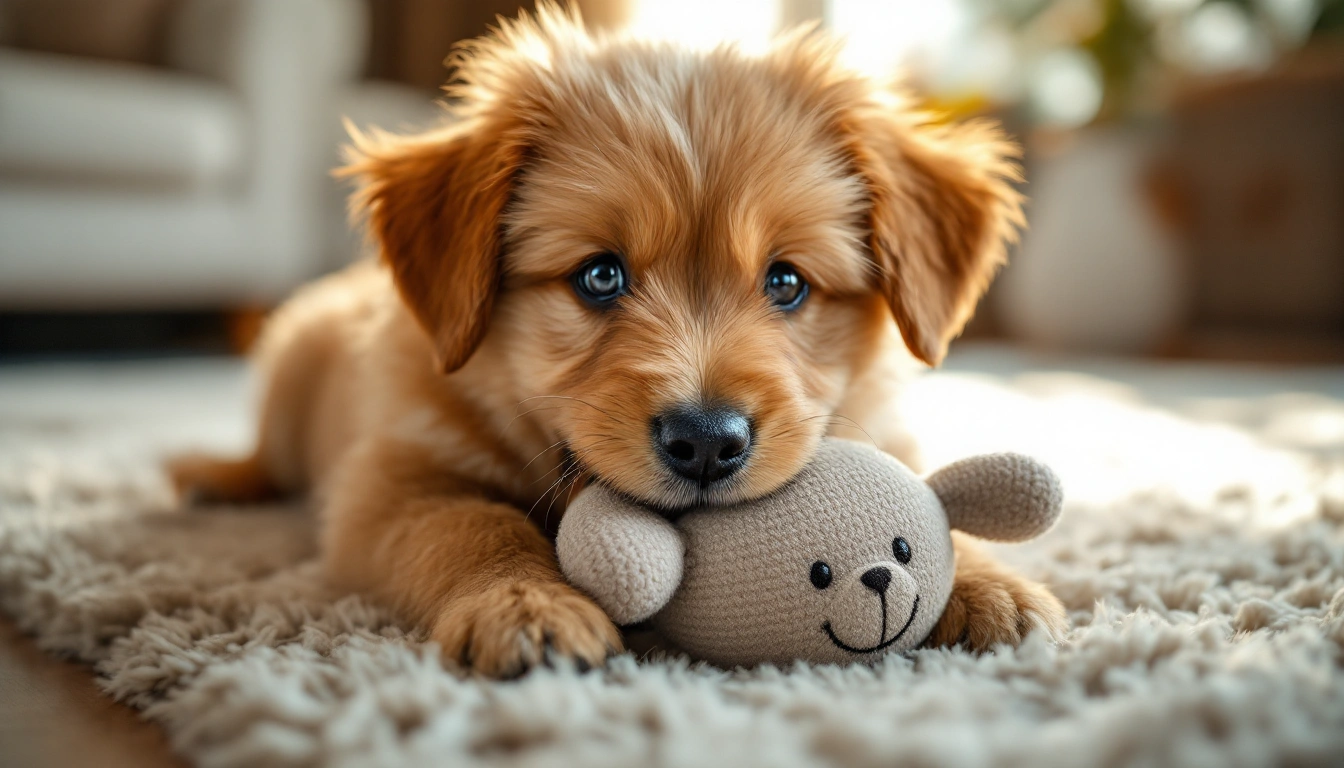
If your puppy bites one person more than anyone else in the house, it's almost always about who plays the roughest or reacts the most, not about ranking or dislike. Puppies escalate biting with whoever gives them the biggest response — a yelp, a jerked-away hand, fast movement, loud laughter — because all of that reads as exciting, game-like feedback. The person who does the most hands-on play, or the one who flinches and makes noise when it hurts, usually ends up as the puppy's favorite biting target simply because they're the most fun to bite.
It also tracks with contact time. Whoever feeds, walks, and plays with your puppy the most naturally gets bitten the most, just from sheer volume of interaction. That doesn't mean your puppy dislikes you or sees you as lower in some hierarchy — dogs don't organize the household that way. It usually means you're the primary playmate, and play is exactly when puppy teeth come out.
The fix is getting everyone in the house to respond to bites the same way. When teeth touch skin, say "ouch" in a flat, unexcited voice, stop moving your hands, and pause the interaction for 10 to 15 seconds before continuing calmly. If the biting person has been reacting with a big yelp or pulling their hand away fast, switching to this flat, boring response takes away the exciting payoff, and biting toward that person usually drops within a couple of weeks.
The other half of the fix is what happens between bites. The "favorite" person should shift some play away from hands entirely — tug toys, fetch, and flirt-pole style toys let the same person stay the fun one without their hands being the target. Calm scratches and praise when your puppy is being gentle teach them that gentle behavior gets attention too, not just rough play.
If it feels like the whole house needs to get on the same page at once, the training section of the free Puppy's First 30 Days pack walks through bite-response steps everyone can follow the same way, so you're not the only one dealing with it.
A few habits make this worse without anyone noticing. If one person disciplines consistently while everyone else lets rough play slide, your puppy learns fast which person is "safe" to bite harder with — and that's often the person asking for help in the first place. Wrestling-style play with hands, even when it's affectionate, teaches a puppy that hands are a toy, and it's hard to walk that back later if it's become the default way you two play together. And inconsistent responses — ignoring a bite one day, yelping dramatically the next — keep the behavior interesting instead of boring, which is the opposite of what stops it.
Worked example: if you're the one getting bitten most, try tracking just the moments right before it happens for a few days. Most people notice a pattern fast — right after naps, during specific games, or in the evening energy spike — and once you can see it coming, redirecting to a toy before teeth make contact works far better than reacting after the fact.
It also helps to swap roles occasionally rather than always assigning "fun playmate" and "the calm one" to the same two people. If the person who gets bitten least starts doing a little more of the hands-on play and the person who gets bitten most shifts toward calmer activities like feeding and gentle training, your puppy's associations start to even out across both people instead of staying locked onto one.
This phase does get better with consistency, usually within 2 to 4 weeks once the whole household is responding the same way. If you want a structured plan for the family to follow together instead of everyone improvising their own approach — see the program that walks the whole family through bite inhibition — it can shortcut a lot of the trial and error.
Being the "chosen" biting target isn't a compliment, but it's also not a red flag about your relationship with your puppy. It's a pattern with a clear cause, and it responds well to a consistent, boring response from everyone in the house.