Puppy Biting Training Tips That Actually Stop the Pain
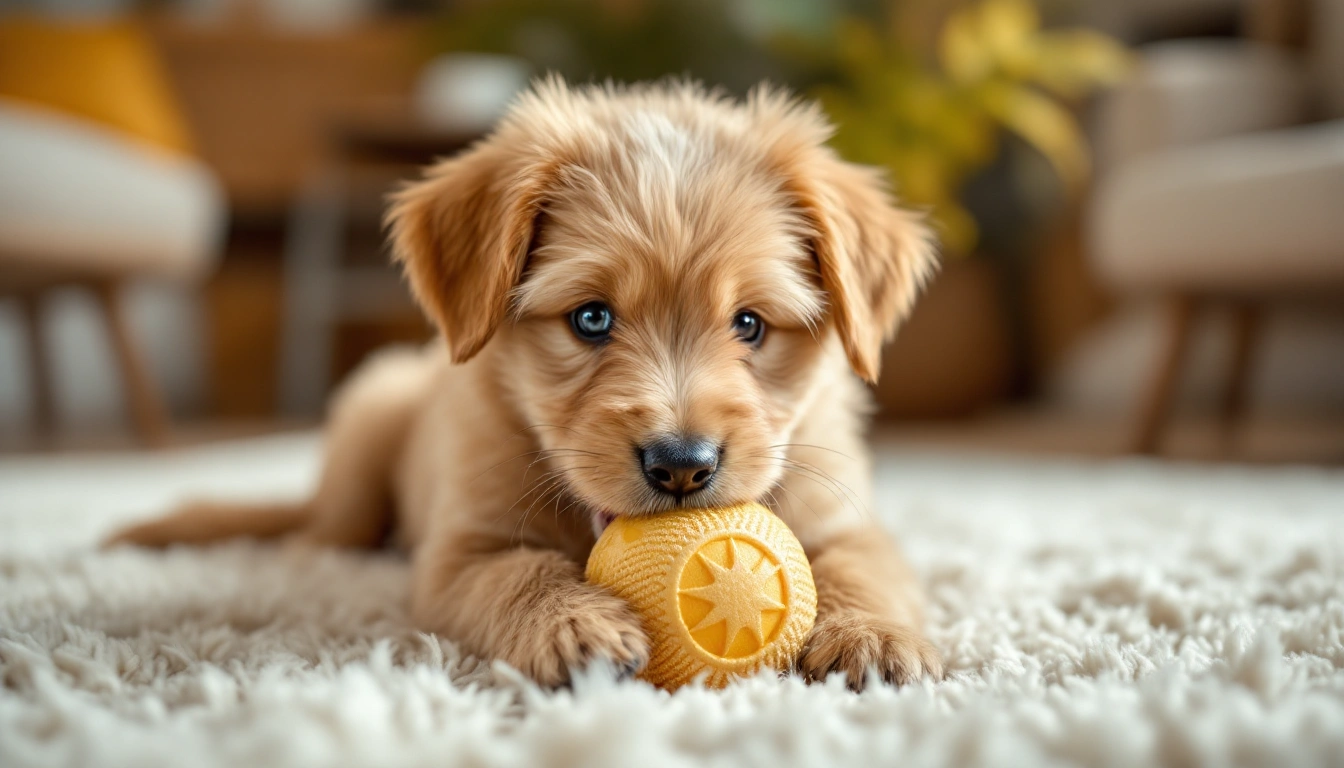
The fastest puppy biting training tip that actually works: the second teeth touch skin, make a sharp, high-pitched "ow," stop moving, and go still for 2 to 3 seconds. Puppies learn bite pressure from their littermates this exact way — a yelp means play stops. It won't work the first time, or the fifth. It takes repetition, consistency from everyone in the house, and a few weeks before you see the pressure ease off. That's normal, not a sign it's failing.
Here's the fuller plan. After the yelp-and-freeze, redirect immediately to something your puppy is allowed to bite — a rope toy or chew already in your hand, not one you have to go find. Timing matters more than the toy itself: redirecting within a second or two teaches "bite that, not this." If your puppy is too worked up to take the redirect and keeps coming back for your hands, end the interaction. Stand up, turn away, and give a short time-out behind a baby gate or in the pen for 20 to 30 seconds. This isn't punishment — it's removing the fun (you) the second the biting continues, the same consequence a littermate would give.
Watch the triggers, not just the bites. Most hard biting happens during specific windows: right after a nap when energy is high, right before a meal when your puppy is overtired or overstimulated, or during rough hands-on play that gets your puppy too excited to think. Building in a chew break or a short training session (sit, touch, name recognition) before those windows hit often heads off the worst of it before it starts.
If the biting is wearing you down and you want a structured, day-by-day plan instead of piecing this together yourself, the free Puppy's First 30 Days pack below includes the redirect-and-reward routine laid out step by step.
A few things tend to make biting worse instead of better. Playing rough with your hands — wrestling, finger-wiggling, letting your puppy mouth you during play — teaches that hands are toys, which undoes the training you're doing everywhere else. Yelling or swatting at a biting puppy usually backfires too: it reads as more exciting play to a puppy this age, or it makes them bite harder and faster out of anxiety. And inconsistency between family members — one person allows mouthing, another doesn't — confuses the lesson and stretches out how long the phase lasts.
Most puppies show real improvement in bite pressure within 2 to 4 weeks of consistent yelp-and-redirect, and the worst of the biting phase (ages roughly 8 to 20 weeks) tapers off as adult teeth come in and self-control develops. If you're doing everything above consistently and the biting isn't easing up at all after a month, or it's paired with growling, stiff body language, or biting that seems aimed at hurting rather than playing, that's worth a session with a certified trainer to rule out something beyond normal puppy mouthiness.
A structured training program can shortcut a lot of this trial and error, especially the timing and consistency pieces that are easy to get wrong on your own — see the training program built around exactly this phase. It won't replace the redirect-and-reward work you're doing daily, but it gives you a script to follow when you're not sure if you're doing it right.
Here's what a realistic week looks like. Day one to three, you're mostly interrupting and redirecting — expect the yelp to barely register, and expect to end play sessions a lot. By the end of week one, most puppies start pausing for half a second after the yelp before going back for the toy instead of your hand, which is real progress even though it doesn't feel finished. By week two or three, the redirect usually starts working on the first try more often than not. Track the pattern loosely rather than counting every bite — a puppy that's biting less overall across a week, even with a rough day mixed in, is on track, even if today felt like a step backward.
The pain is real and so is the progress, even when it doesn't feel like it in week two. Every consistent yelp and redirect is teaching bite inhibition, which is a skill your dog keeps for life — not just something that makes this month easier.