Puppy Bonding With Owner When They Prefer Your Partner
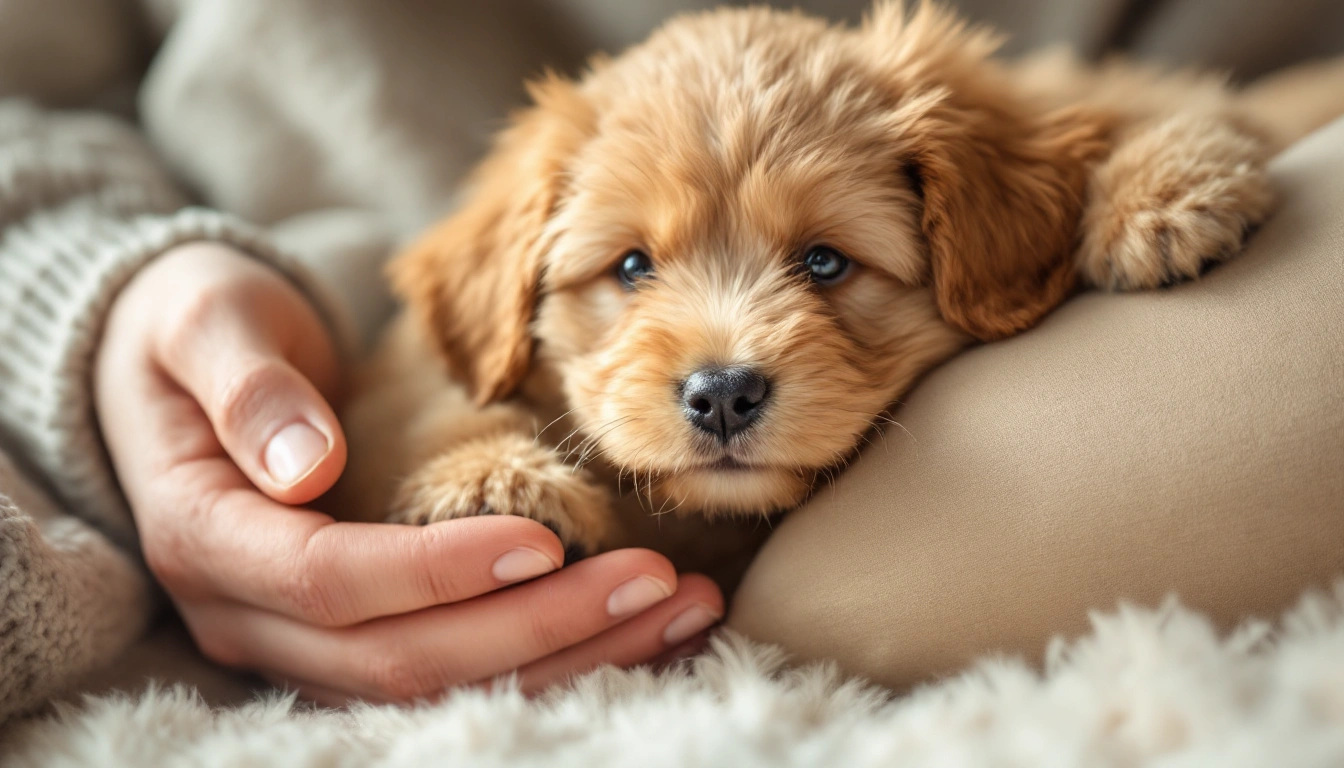
Your puppy lights up for your partner and seems lukewarm on you, and it stings more than you expected it to. Here's what's actually going on: puppies bond fastest with whoever handles feeding, calm one-on-one time, and consistent daily routine early on — it's rarely about who they "like more" and almost always about who's spent the most low-key, predictable time with them so far. The single most important fix: claim a daily task that's just yours, like a feeding or a short walk, so your puppy starts associating you specifically with something good happening every single day.
Here's how to close the gap deliberately. Take over at least one meal a day and hand-feed a few pieces from your hand before putting the bowl down, since food is one of the fastest ways to build a positive association at this age. Spend 10 to 15 minutes of calm, low-key time together daily — sitting on the floor, letting your puppy approach you, gentle petting — rather than trying to compete with your partner's energy or play style. Be the one who does a short, easy training session once a day (even just a few minutes of sit and touch with treats), since puppies tend to bond strongly with whoever they've learned things from, and a small daily win builds trust fast.
What's normal: a puppy who has an early preference based on nothing more than who's handled feeding or bedtime so far, and a preference that shifts over the first few weeks as routines settle. What's not normal: a puppy who actively avoids you, won't take treats from your hand at all after a couple of weeks of consistent effort, or shows fear specifically around you rather than general newness. If that's the pattern, it's worth a conversation with a trainer to rule out something specific happening in your interactions that you might not be noticing.
Give this 2 to 3 weeks of consistent, dedicated one-on-one time before judging whether it's working. Most puppies show a noticeable shift within that window — seeking you out, greeting you at the door, choosing to nap near you — once they've had enough repeated, positive experiences that involve just the two of you. It rarely happens from one big gesture; it happens from small, boring, repeated moments that add up.
A realistic daily version of this might be: you handle breakfast and hand-feed a few pieces before setting the bowl down, spend 10 minutes sitting on the floor letting your puppy come to you sometime mid-morning, and run a short training session before dinner. None of that takes more than 20 to 25 minutes total across the whole day, but done every day for a couple of weeks, it adds up to more one-on-one positive time than most people realize, and it's specific enough to actually stick to instead of a vague goal to "spend more time together."
Having a simple daily structure for this — one task, one training minute, one calm sit-down — instead of trying to wing it, is part of the day-by-day plan inside our free Puppy's First 30 Days pack.
A few things slow this down without meaning to. Only interacting with your puppy during high-energy play, while your partner handles the calmer, more frequent moments like feeding and settling, means your puppy associates you with excitement but not with comfort or trust. Stepping back and letting your partner handle everything "since they're better at it anyway" guarantees the gap stays open instead of closing. And comparing how your puppy responds to each of you out loud, even jokingly, can turn something normal and temporary into a bigger source of tension than it needs to be.
If you want a more structured way to build the bond through short training sessions, see the training program that builds bonding through daily sessions lays out exactly what to do each day instead of improvising.
An early preference for one person is common and rarely permanent. Claim a daily task, keep showing up in calm, small ways, and most puppies close the gap within a few weeks. Try not to read too much into any single day — a puppy who ignores you at breakfast can still be the one who chooses your lap by bedtime, and that's the pattern that matters more than any one moment.