Fine at Night, Panics in the Day: Crate Mystery Solved
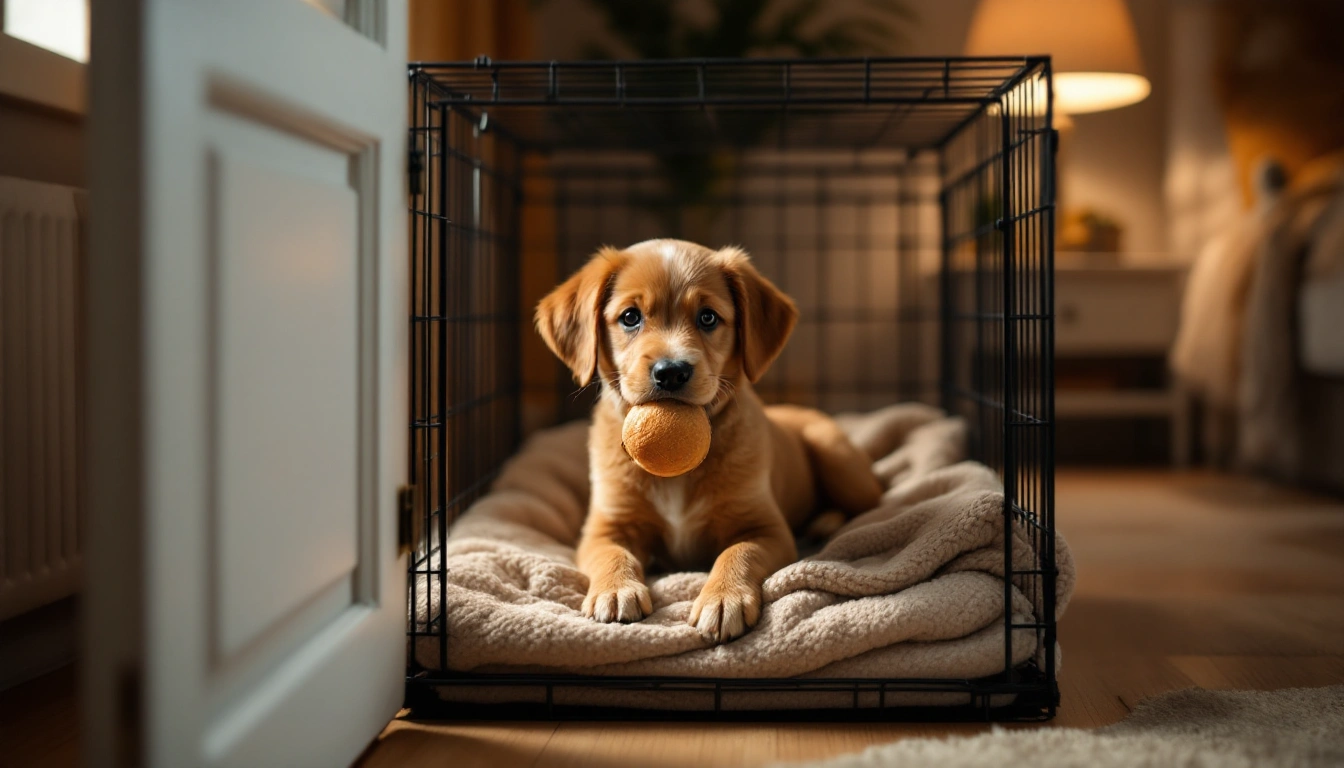
Your puppy settles into the crate without a fuss every night, but the second you crate them during the day, it's barking, scratching, and full panic. That split is confusing, but it makes sense once you know what's different. Puppy crate anxiety during the day, but not at night, almost always comes down to context: at night, the house is quiet, everyone's asleep, and the puppy expects stillness. During the day, there's activity happening without them — people moving around, doors opening, other pets playing — and being shut in the crate while all of that goes on feels like missing out, not resting.
Here's how to close that gap. Start by making daytime crate time predictable and short, rather than random and long — a puppy that only gets crated during the day when you're leaving the house learns to associate the crate with abandonment, not rest. Practice daytime crate sessions while you're still home and visible: put your puppy in the crate with a stuffed chew while you sit nearby reading or working, so they learn the crate isn't only used to shut them away from everything interesting. Gradually add distance and time, the same way you'd build up alone-time tolerance, rather than jumping straight to a full workday in the crate.
Timing also matters more than most people expect. Crating a puppy that's wound up, hasn't been walked, or is wide awake tends to trigger more protest than crating a puppy that's had a chance to burn energy first. A short walk or play session, plus a potty break, right before a daytime crate session makes a real difference in how calmly your puppy settles.
Location can play a part too. A crate tucked away in a back bedroom during the day, far from where the family actually spends time, can feel more isolating than the same crate placed somewhere central, like a corner of the living room or kitchen, where your puppy can still hear and see activity even while confined. Moving the daytime crate to a busier spot in the house, if that's an option, sometimes resolves the daytime panic on its own without any other changes.
What's normal: some fussing for the first few minutes of a new daytime routine, especially early on. What's not: panic that doesn't ease up after several consistent days of practice, or physical signs of distress like drooling, scratching until the paws bleed, or trying to break out of the crate — that pattern is worth a conversation with your vet or a certified trainer about separation anxiety specifically, since it may need more than a scheduling fix.
The crate tracker in our free Puppy's First 30 Days pack maps out day and night crate routines separately, so you're not using one schedule for two very different situations.
A few habits keep this split going. Only ever crating a puppy during the day right before you leave the house teaches the crate to predict abandonment, which makes the panic worse over time, not better. Letting a puppy out the moment daytime crying starts, while holding firm on nighttime crying, sends a mixed message about what actually works to get the door open. And skipping the practice sessions where you're home and visible means the crate never gets a chance to feel safe outside of bedtime.
Most puppies close the gap between night and day crate tolerance within 2 to 4 weeks of consistent daytime practice sessions, especially if you're building up the time gradually rather than jumping straight to long stretches. Some puppies get there faster if the daytime sessions start short and end on a calm note every single time.
A comfortable crate setup — the right size, a supportive mat, and something engaging like a frozen chew — gives daytime sessions a better shot at success than an empty crate ever will. see the daytime crate routine that closes this gap faster walks through the exact practice schedule if you want more structure than trial and error.
This split is more common than it seems, and it's fixable. Give the daytime crate the same patient, gradual approach you gave nighttime, and the panic tends to fade within a few weeks.