Puppy Destroying the Furniture? Redirect With This
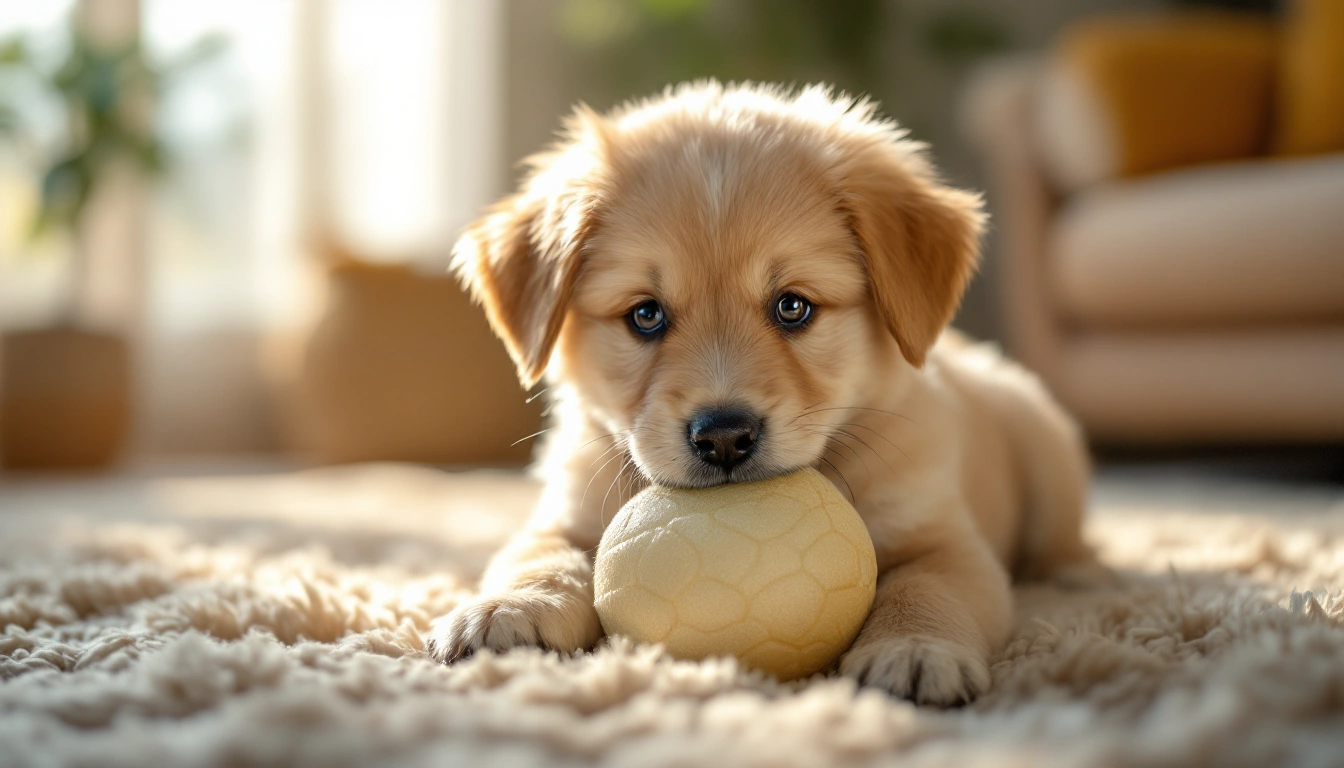
You walked into the living room and found another corner of the couch chewed up, and you're wondering if this is ever going to stop. Puppy destroying furniture from chewing is one of the most common complaints in the first year, and it's driven by two things: teething discomfort in the early months, and plain boredom or excess energy once the adult teeth come in. The single most important thing right now: don't just remove access to the furniture — replace the chewing outlet with something better, or the behavior just moves to the next available object.
Here's how to redirect it for real. Keep a rotation of a few different appropriate chews within easy reach — something firm for teething relief, something softer for regular chewing, and at least one you can stuff and freeze for longer engagement. The second you catch your puppy on the furniture, calmly swap in one of these instead of just saying "no" and walking away; the goal is teaching what to chew, not just what not to chew. Puppy-proof the rooms your puppy has unsupervised access to by blocking off furniture with a baby gate or exercise pen until the habit is broken, since prevention beats correction every time during this stage.
Exercise plays a bigger role here than most people expect. A puppy that's had a real walk and a play session is far less likely to go looking for something to destroy out of boredom or pent-up energy. If furniture chewing spikes at a predictable time of day — often evening — that's often a sign your puppy needs more physical and mental engagement earlier in the day, not more scolding when you find the damage.
Wood furniture, corners, and table legs tend to get hit hardest during peak teething, since the firm, slightly springy texture soothes sore gums in a way soft fabric doesn't. Fabric and cushions get targeted more once teething eases up and boredom or habit takes over as the main driver — which is a useful clue for figuring out which stage your puppy is actually in and adjusting the chew rotation accordingly.
A bitter-tasting spray made for furniture can help discourage a specific problem spot while the underlying habit is still being retrained, though it works best as a backup to redirection and supervision, not a replacement for either. Reapply it consistently for a couple of weeks rather than once, since a single application often wears off or gets licked away faster than expected.
If today's damage has you at your wit's end, the daily rhythm and chew rotation in our free Puppy's First 30 Days pack are built to get ahead of exactly this.
A few habits keep furniture chewing going longer than it should. Giving unsupervised run of the house before a puppy has proven it's trustworthy sets both of you up to fail — most puppies need months of supervised, gradually expanded freedom before they've earned the whole house. Only offering one type of chew toy means a bored puppy runs out of interest in it fast and looks elsewhere. And punishing a puppy for chewing without offering an alternative teaches what to avoid around you specifically, not what's actually okay to chew, which often just means the chewing happens more when you're not watching.
Teething discomfort peaks around 3 to 6 months as the adult teeth come in, and furniture chewing driven purely by teething usually eases up once that's done. Chewing driven by boredom or energy, though, can continue well past the teething window if the underlying need for exercise and mental engagement isn't being met — some dogs chew occasionally for life, just less destructively once they're fully trained and have consistent outlets.
A sturdy rotation of chew toys, including something like a frozen stuffed toy for longer engagement, makes redirecting a whole lot easier than relying on willpower and supervision alone. see the chew toy rotation that actually redirects furniture chewing if your puppy has already worked through everything in the toy bin.
Furniture chewing feels endless in the moment, but it's a phase with a real end point. Keep swapping in better options and building up exercise, and most of this fades well before your puppy's first birthday.