Puppy Sleep Schedule: The First 72 Hours
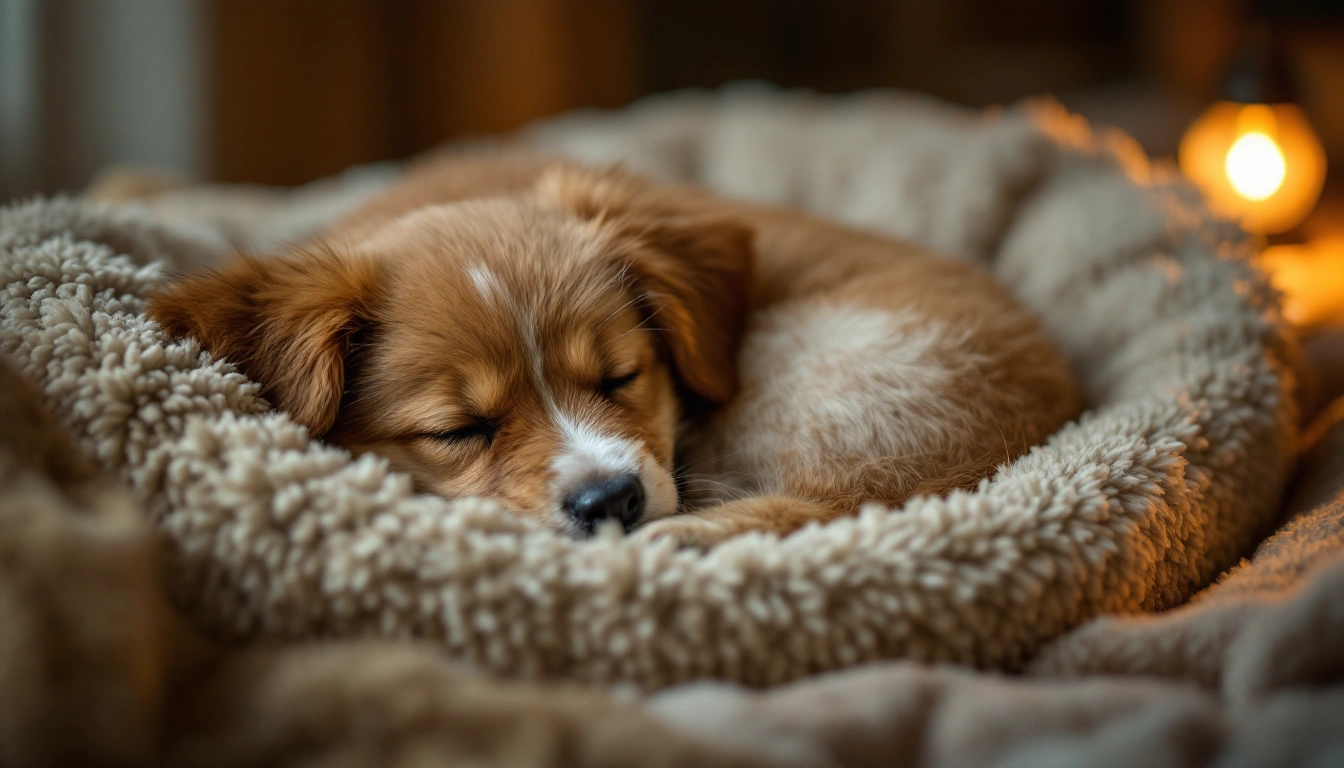
You've watched your new puppy crash mid-play three times today and you're wondering if that's normal or if something's wrong. It's normal, and it's actually a good sign. A puppy sleep schedule by age looks roughly like this: 8 to 10 week olds sleep 18 to 20 hours a day, in short bursts of 30 minutes to 2 hours, scattered around brief windows of play, eating, and potty breaks. The single most important thing right now: let your puppy sleep whenever it wants to, even if that means napping five times before lunch.
Here's how the pattern shifts as your puppy grows. From 8 to 12 weeks, expect near-constant naps broken up by short 20 to 30 minute bursts of energy — a puppy this age genuinely can't stay awake and calm at the same time for long, which is part of why overtired puppies get so bitey and wild right before they crash. By 3 to 4 months, total sleep drops slightly to around 16 to 18 hours a day, with naps spacing out a bit more and awake stretches lasting closer to an hour. By 6 months, most puppies are down to 14 to 16 hours, closer to what you'll see for the rest of their first year, with one or two longer overnight stretches instead of scattered naps all day.
During the first 72 hours specifically, expect more sleep than usual, not less — the stress of a new home, a car ride, and meeting a new family is exhausting even before you factor in the developmental need for sleep. A puppy that naps hard for the first day or two and seems a little groggy or slow to warm up is usually just catching up, not sick. A puppy that won't wake up for food or water at all, or seems unresponsive rather than just sleepy, is worth a call to your vet.
It also helps to know what sleep actually looks like at this age. Twitching paws, soft whimpers, or rapid eye movement during a nap are normal signs of dreaming, not distress — resist the urge to wake a twitching puppy up, since interrupted sleep this age needs adds up fast. Puppies also tend to crash hard and suddenly, going from full-speed play to flat-out asleep in the middle of the floor within a minute or two; that's not a medical concern, it's just how a developing brain and body budget their energy.
The full day-by-day nap and wake-window map for the first month is exactly what's in our free Puppy's First 30 Days pack, so you're not guessing at every yawn.
A few habits work against a puppy's natural sleep needs. Keeping a puppy awake for visitors, photos, or play because "they seem fine" often pushes them straight past tired into overtired and cranky, which then makes the next nap harder to settle into, not easier. Skipping a quiet, dedicated nap space — crate or pen, away from foot traffic — means a puppy that wants to sleep but keeps getting interrupted by noise or activity. And assuming a puppy who naps a lot is lazy or unwell, rather than doing exactly what an 8-week-old body needs, can lead to unnecessary worry over completely normal behavior.
As the days go by, you'll notice sleep windows stretching and naps getting a little more predictable, especially once your puppy settles into a house routine instead of adjusting to a brand-new environment. Most families see a real shift by the end of week one, with naps starting to cluster around consistent times of day rather than happening at random.
A comfortable, quiet spot for naps — the right-size crate with a supportive mat, tucked somewhere calm — makes it a lot easier for a puppy to actually settle instead of drifting off wherever they happen to collapse. see the nap setup that helps puppies settle faster is worth a look if your puppy seems to fight sleep more than most.
However tired your puppy seems those first few days, it's doing exactly what it's supposed to. Protect the naps, and the rest of the schedule tends to fall into place around them.